
Treasure Caretaker Training Ventures to Yushu to Sustain and Preserve Buddhist Legacy on the Tibetan Plateau in Qinghai
January 12, 2025 by Buddhistdoor Global Teahouse
Raymond Lam
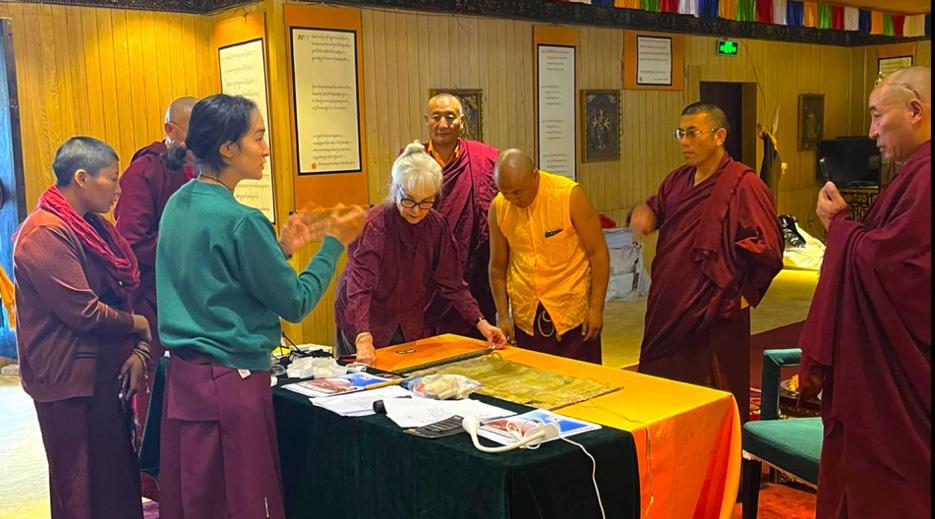
In the past summer of 2024, senior conservator Ann Shaftel of Treasure
Caretaker Training was invited to bring her experience to Yushu Tibetan
Autonomous Prefecture, in Qinghai province of the People’s Republic of
China. Yushu is located in the traditional Tibetan heartland of Kham. The
team set up work in Yushu City, known locally as “Jyekundo, “which has
long been a center of global trade and a stop on the overland silk routes
from Inner Asia to Central Asia and beyond.
The prefecture of Yushu is home to many monasteries, sacred locations,
and historical sites. These include Jang Tana Monastery, Gar Gonpa,
Thrangu Monastery, Janamani (which has the world’s largest Mani stone
pile), Bi Nampar Nangdze (a temple built by Princess Wencheng on her
way to marry King Songtsen Gampo), and others. The location was
selected as one of the greater hubs of Eastern Tibet, which has long
gathered travellers and pilgrims from all over.
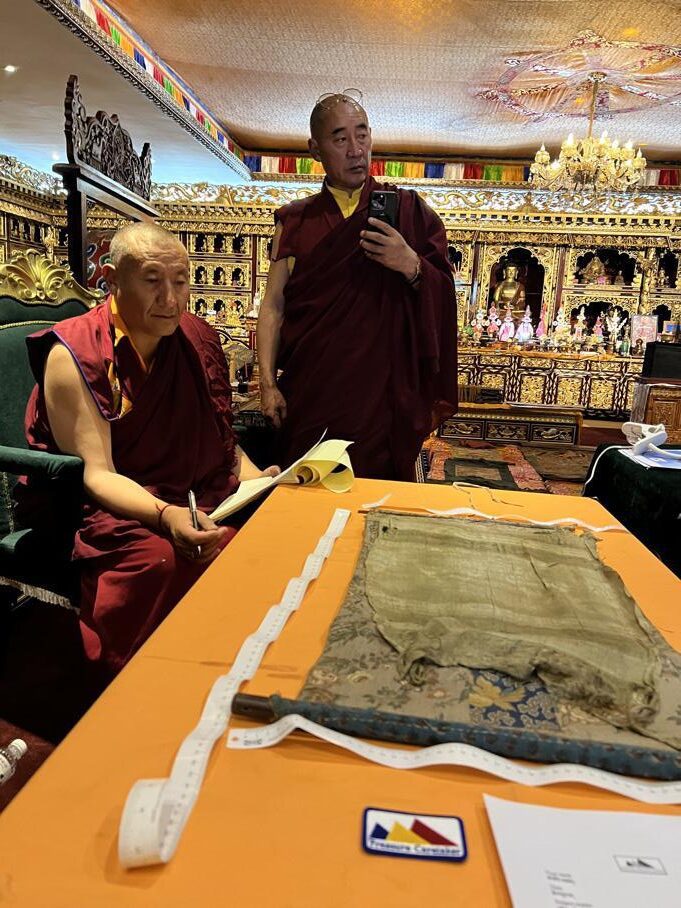
Rinpoches practicing documentation.
Image courtesy of Treasure Caretaker Training
The project, sponsored by private supporters Greg and Sarah Rubin,
involved Ms. Shaftel leading 3 days of workshops for the representatives
of Tana, Zurmang, and Thrangu monasteries, as well as local community
members. This was the first such experience for all of the participants. The
event was hosted by the Gesar Palace Hotel, which often hosts cultural
preservation events in the region. To aid in this work, Ms. Shaftel was
assisted by Pema Khandro, an English-to-Tibetan interpreter from the
nearby nomadic Chumalep region. Pema Khandro, a recent college
graduate, speaks fluent English, Chinese and the regional northern Kham
and Nomadic dialects.
The trip began with a visit to Xining, the capital of Qinghai, visiting the 450-
year-old Kumbum Monastery (which is celebrated as the birthplace of
Gelug founder Tsong Khapa) and the small, mountainside Baima (White
Horse) temple. Upon arrival in Yushu, the work began. Representatives of
different monasteries and local communities were invited to the Gesar
Palace Hotel and welcomed to bring objects from their homes,
communities and temples.
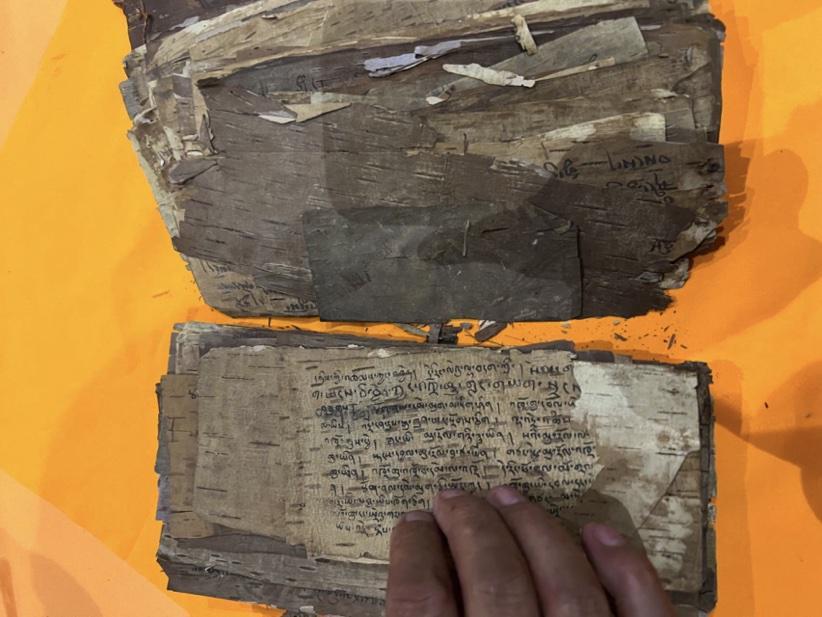
Rare Bon-po text on birchbark.
Image courtesy of Treasure Caretaker Training
Ms. Shaftel lectured on topics such as risk assessment, planning for
emergencies, documentation, and safer storage. She then worked closely
with participants hands-on, including how to document objects in detail,
and how to interview elders to preserve their stories. She shared how to
use inexpensive phone apps and simple technology such as use of
existing light sources to examine and then document the condition of
treasures.
As a conservator who has worked in the Himalayan region since 1970, her
practical and low-cost strategy combines current science with respect for
cultural heritage traditions.
The lamas and community members were then able to try out their skills
on the objects they had brought with them, including centuries-old
thangkas, texts, statues, and even arms and armor. Many of the lamas
have since said how excited they are to continue documentation and
preservation work in their monasteries, and look forward to Ms. Shaftel
visiting their monasteries to work on site together.
Ms Shaftel is invited to several monasteries in the region in April and May
of 2025 for continuing documentation of monastery and community
treasures.
For further information, please contact Conservator Ann Shaftel
WhatsApp: 0019022221467
WeChat: Annsha03
Email: ann@treasurecaretaker.org
Website: treasurecaretaker.com